Professional Plumbing and Heating Services: Maintaining Your Home's Comfort Throughout the Year
Trustworthy plumbing and heating services play a vital part in keeping a home comfortable year-round. Challenges like pipe leaks or temperature inconsistencies can interfere with everyday routines. These professionals guarantee maximum system reliability and security, which is critical for any household. Knowing when to call for assistance and the importance of regular maintenance can create meaningful improvements. What factors should one consider when choosing a provider, and how might homeowners best address unforeseen urgent situations?
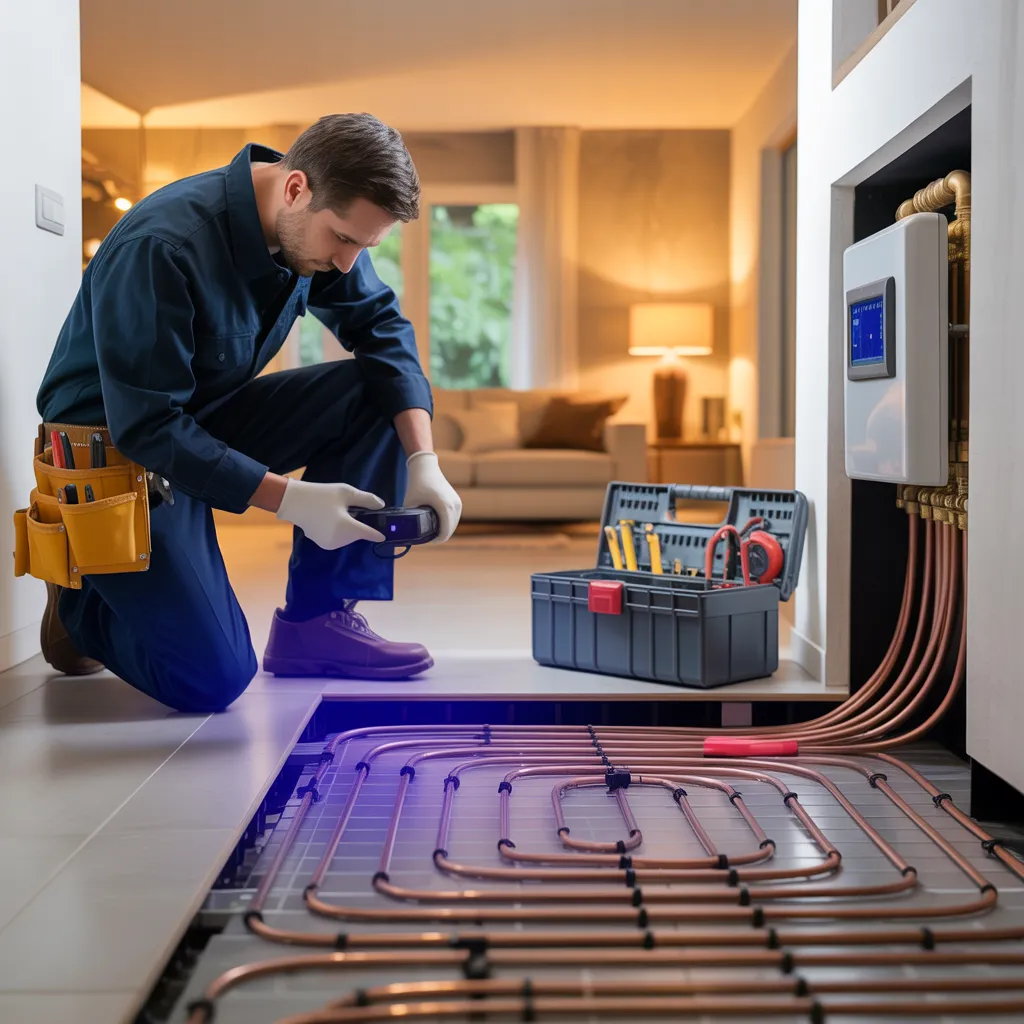
Why Dependable Plumbing and Heating Services Are Important
Trustworthy heating and plumbing services are critical for sustaining a secure and pleasant living environment. These services ensure that water systems function properly, preventing leaks and water damage that could compromise structural integrity. Moreover, reliable heating systems are crucial in the winter months, offering warmth and comfort while safeguarding against health risks linked to extreme temperatures.
Regular maintenance and repairs can extend the lifespan of plumbing and heating systems, protecting homeowners from expensive replacements. Expert services also ensure adherence to safety regulations, minimizing the risk of incidents such as gas leaks or flooding. Furthermore, a well-maintained system enhances energy efficiency, effectively reducing utility bills.
At a time when comfort and security are essential, the value of dependable heating and plumbing services cannot be overstated. Investing in these services fosters a sense of security, allowing homeowners to focus on other areas of daily life without the stress of unanticipated plumbing or heating issues.
Warning Signs You Need Expert Plumbing and Heating Support
When property owners observe unusual changes in their plumbing or heating systems, it commonly suggests the need for professional assistance. Typical signs include persistent leaks, which can lead to increased bills and water damage. Unusual noises from pipes or heating units may also point to deeper problems that necessitate expert evaluation. Moreover, irregular water temperatures or unreliable heating can indicate damaged systems requiring professional repair or replacement.
A sharp spike in energy costs might indicate issues in the plumbing or heating systems that need addressing. Homeowners should also be alert to unpleasant odors, which might suggest sewer problems or gas leaks. Finally, rust or corrosion on plumbing fixtures can indicate damage that requires prompt action. Recognizing these signs early can prevent more extensive and costly repairs, keeping the home safe and comfortable throughout the year.
How to Select the Best Plumbing and Heating Provider
Choosing the ideal plumbing and heating company calls for begin now thorough evaluation of multiple key factors. Experience and expertise, along with appropriate insurance and licensing, are fundamental to delivering reliable service. Additionally, understanding the range of service options and packages enables consumers arrive at informed conclusions that suit their unique preferences.
Knowledge and Experience
Choosing a plumbing and heating provider requires careful consideration of both experience and expertise, as these factors greatly influence the quality of service. A reputable provider typically has a track record that demonstrates their ability to manage various plumbing and heating challenges effectively. Their experience often leads to a deeper understanding of common problems and practical solutions. Additionally, expertise in the latest technologies and methods is essential in an industry that constantly changes. Homeowners should look for providers with advanced training and certifications, as these credentials indicate a commitment to professional standards. By focusing on experience and expertise, clients can ensure they receive reliable service that addresses their specific needs and preserves the comfort of their homes year-round.
Licensing and Insurance
Insurance is equally important, as it safeguards homeowners against unforeseen liabilities that could occur during work, such as accidents or property damage. A trustworthy provider will possess both worker's compensation and liability insurance, offering peace of mind to clients.
Prior to bringing someone on, homeowners ought to verify a provider's insurance and licensing credentials. This verification process can prevent future complications and contribute to a smooth and secure service outcome.
Service Options and Packages
Several plumbing and heating providers offer a variety of service options and packages, requiring homeowners to assess their individual needs prior to choosing a provider. It is important for homeowners to evaluate aspects including routine seasonal upkeep, urgent repair needs, and installation requirements when assessing available choices. Service plans often feature regular inspections, energy-saving evaluations, and service guarantees. Price transparency is vital; service providers must supply straightforward quotes free of concealed charges. In addition, examining customer ratings can offer a clearer picture of a provider's trustworthiness and service quality. Homeowners are encouraged to ask about adaptable service plans suited to their financial constraints and needs. Ultimately, selecting the right provider copyrights on a thorough assessment of services offered, pricing structures, and overall customer satisfaction.
Why Regular Maintenance Is Key for Your Home
Consistent upkeep is vital for every household, as it not only ensures the efficiency of heating and plumbing systems but also prolongs their lifespan. By planning periodic check-ups, residents can spot underlying concerns before they escalate into costly repairs. This proactive approach helps to ensure that systems operate at peak performance, reducing energy consumption and reducing monthly bills.
Additionally, scheduled maintenance strengthens safety by limiting the risk of defects that could lead to hazardous situations, such as leaks or carbon monoxide exposure. It also preserves warranties on equipment, as numerous manufacturers require routine servicing to validate coverage.
In the end, the investment in routine maintenance gives reassurance, knowing that everything is running at optimal levels. Homeowners who embrace this approach benefit from greater comfort, consistent reliability, and significant long-term savings, making it an essential part of owning a home.
Handling Plumbing and Heating Emergencies
Homeowners might experience unforeseen plumbing and heating crises despite their best efforts at maintenance. When such situations arise, prompt action is essential to minimize damage and reestablish comfort. Typical emergencies encompass broken pipes, faulty water heaters, or heating unit breakdowns during extreme weather.
In these moments, it is important to pinpoint the problem without delay. For plumbing issues, turning off the main water supply can avoid flooding, while heating malfunctions may require adjusting the thermostat or checking power sources.
Calling a reputable plumbing and heating provider is advisable, as qualified experts can diagnose and resolve issues efficiently. Residents should have emergency service contact details on hand. Additionally, noting the details can help streamline discussions with the service team. By staying composed and knowledgeable, residents can navigate these emergencies effectively, maintaining a safe and comfortable living environment.
Money-Saving Advice for Plumbing and Heating Services
Budget-conscious approaches in plumbing and heating systems can considerably cut expenditures for property owners. Regular maintenance not only extends the lifespan of such systems but also avoids expensive fixes. Moreover, investing in efficiency-enhancing upgrades can result in significant reductions on utility bills over the long term.
Ongoing Maintenance Perks
Preserving heating and plumbing systems preventatively can lead to substantial financial benefits. Regular maintenance helps identify and address small problems before they escalate into expensive fixes. By planning periodic inspections, homeowners can guarantee their systems function optimally, reducing energy consumption and lowering utility bills. Additionally, well-maintained systems tend to have greater longevity, delaying the need for expensive replacements. Scheduled upkeep can also bolster household safety by eliminating risks such as plumbing leaks or gas problems. Additionally, many service providers offer maintenance plans that can provide discounts on repairs and services, creating additional financial benefits. Ultimately, committing to routine maintenance is a smart strategy for homeowners aiming to reduce spending while ensuring year-round comfort.
Energy-Saving Improvements
Switching to eco-friendly heating and plumbing systems can considerably decrease energy bills while boosting home comfort. Homeowners can consider installing on-demand water heaters, which heat water on demand, removing standby heat loss. Moreover, smart thermostats enable more precise temperature management, lowering energy use during periods when the home is empty. Properly insulating pipes and ducts minimizes heat loss, further improving efficiency. Modern high-efficiency furnaces and boilers require less energy while providing reliable warmth. For plumbing, reduced-flow fixtures can significantly lower water consumption while maintaining full functionality. By making these enhancements, homeowners decrease their monthly bills and promote a more sustainable environment. All things considered, energy-saving upgrades provide a sensible way to preserve comfort and reduce resource consumption throughout the year.
Advancements in Plumbing and Heating to Keep an Eye On
What new technologies are shaping the future of plumbing and heating? Advancements like smart thermostats and leak detection systems are transforming the way homeowners oversee their utilities. Intelligent thermostats adapt to user preferences, improving energy efficiency while boosting comfort. Meanwhile, advanced leak detection technology alerts homeowners to potential issues before they escalate, minimizing water damage and repair costs.
Another significant advancement is the incorporation of on-demand water heaters, which provide hot water on demand, boosting efficiency and reducing spatial requirements. Furthermore, sustainable plumbing materials, like cross-linked polyethylene piping, are growing in demand for their long-lasting nature and corrosion resistance.
In the field of heating, heat pumps are gaining wider adoption due to their ability to move heat with great efficiency, decreasing overall energy demands. Combined, these developments promise not only to strengthen the effectiveness and consistency of plumbing and heating systems but also to help build a more environmentally sustainable future for home comfort.
Questions We Often Receive
How Frequently Should I Book Plumbing and Heating Maintenance?
Experts recommend arranging heating and plumbing maintenance at minimum once annually. Regular inspections can prevent costly repairs, guarantee system efficiency, and prolong equipment lifespan, which leads to a more enjoyable and comfortable home.
What Are the Most Common Plumbing and Heating Myths?
Widespread plumbing and heating misconceptions involve the false assumption that chemical treatments can eliminate all types of clogs, that larger diameter pipes ensure superior water flow, and that scheduled maintenance is not required as long as systems show no obvious signs of trouble.
Is It Possible for Me to Handle Any Plumbing or Heating Repairs Myself?
Certainly, a number of heating and plumbing repairs can be handled by residents, particularly basic tasks like unblocking drains or fitting new faucets. That said, complex matters generally call for professional expertise to guarantee safety and avoid additional damage.
What Certifications Should I Look for in Service Providers?
When selecting contractors, one should look for credentials such as state licensing, Master Plumber, or HVAC Technician. Such credentials demonstrate expertise, adherence to safety standards, and a commitment to quality in plumbing and heating services.
What Steps Can I Take to Increase My Home's Energy Efficiency?
Increasing a home's energy performance can involve closing gaps and leaks, installing better insulation, incorporating energy-efficient appliances, and fitting smart thermostats. Scheduled maintenance of HVAC systems further improves overall performance and lowers energy usage across time.